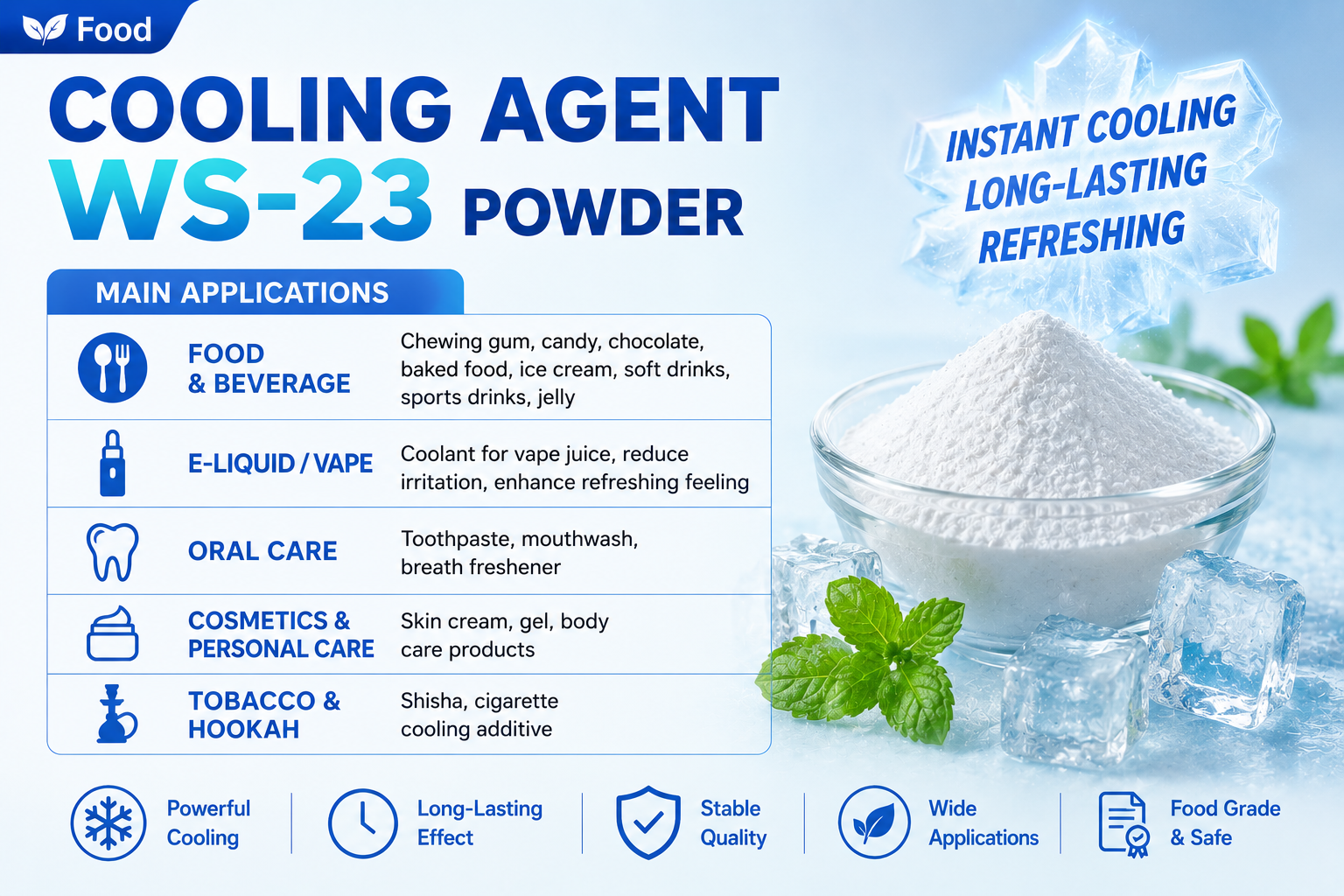
WS-23 Cooling Agent Powder

WS-23 Cooling Agent Powder: The Best Cooling Ingredient for Food & Beverage in 2026

Article Content

WS-23 Cooling Agent Powder: The Best Cooling Ingredient for Food & Beverage in 2026

In the rapidly evolving food and beverage industry, creating a refreshing and long-lasting cooling sensation without bitterness has become a top priority for manufacturers. WS-23 Powder, also known as Cooling Agent WS-23, has emerged as the leading choice among food scientists and product developers worldwide.

What is WS-23 Cooling Agent Powder?

WS-23 is a synthetic cooling agent derived from menthol. It is widely recognized for providing a clean, strong, and long-lasting cooling effect without the minty odor or bitter aftertaste commonly associated with menthol or WS-3. Available in high-purity powder form, it is easy to dissolve and highly stable in various food matrices.

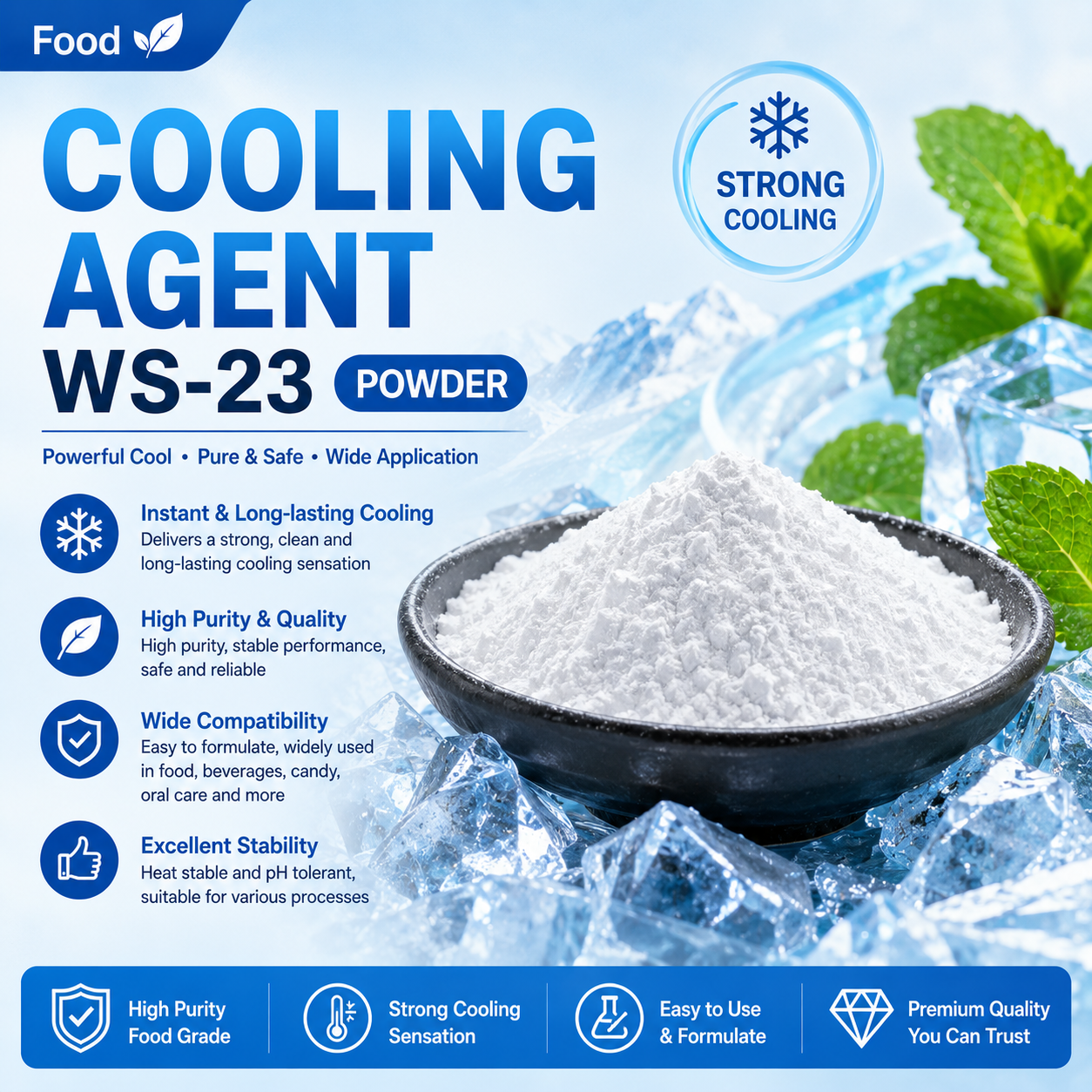
WS-23 Cooling Agent Powder

WS-23 Cooling Agent Powder

Why WS-23 Powder is Dominating the Market

  • Cleaner & Stronger Cooling: WS-23 delivers a pure cooling sensation that activates TRPM8 receptors more effectively than traditional menthol.
  • Low Usage Rate: Extremely high potency means very low dosage is required, making it highly cost-effective.
  • Excellent Heat Stability: Maintains cooling effect even after high-temperature processing.
  • Neutral Taste Profile: Minimal impact on the original flavor of the product.
  • Odorless & Colorless: Does not affect the appearance or aroma of final products.

Key Applications of WS-23 Powder

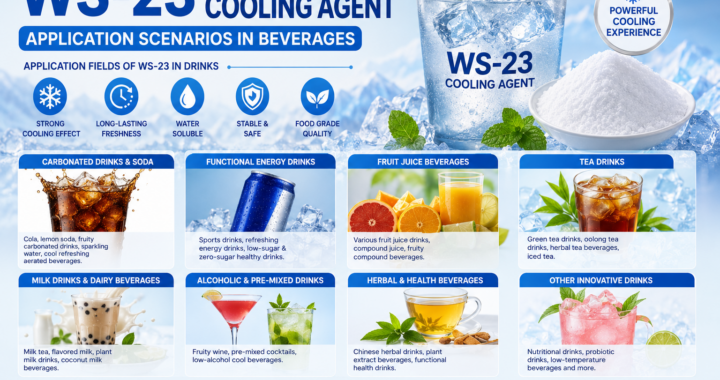
WS-23 Powder is extensively used across multiple categories:

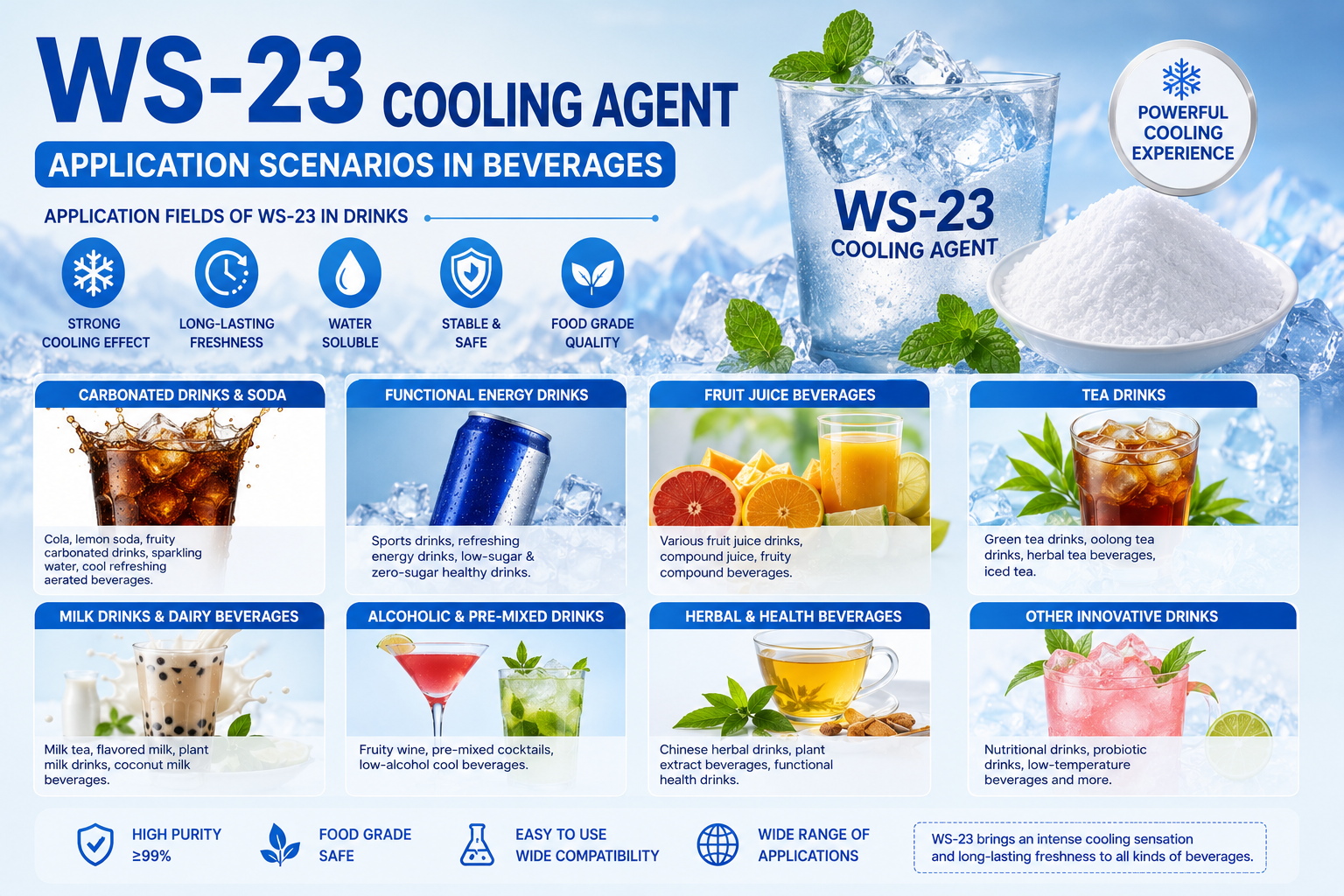
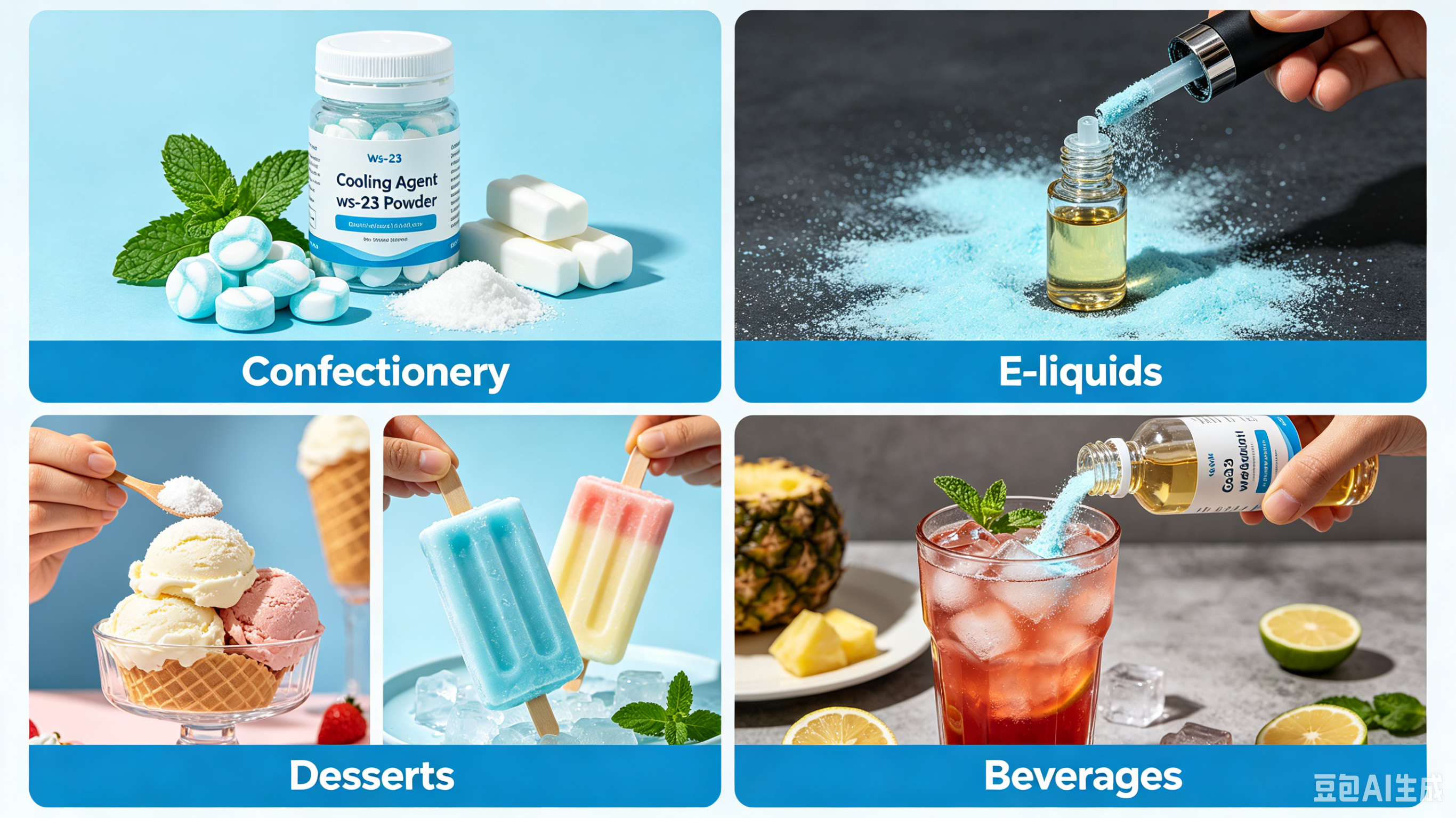
  • Beverages (soft drinks, energy drinks, functional beverages)
  • Confectionery (chewing gum, hard candy, mints)
  • Dairy & Frozen Products (ice cream, yogurt, milkshakes)
  • Bakery & Snacks (cookies, biscuits, puffed snacks)
  • Oral Care Products (toothpaste, mouthwash)
  • Pharmaceuticals and supplements
Key Applications of WS-23 Powder

Key Applications of WS-23 Powder

Recommended Dosage

Typical usage levels range from 0.005% to 0.15%, depending on the product type and desired cooling intensity. Beverage manufacturers often use 20–80 ppm, while chewing gum can go up to 150–300 ppm for strong cooling.

WS-23 vs WS-3 vs Menthol: Which is Better?

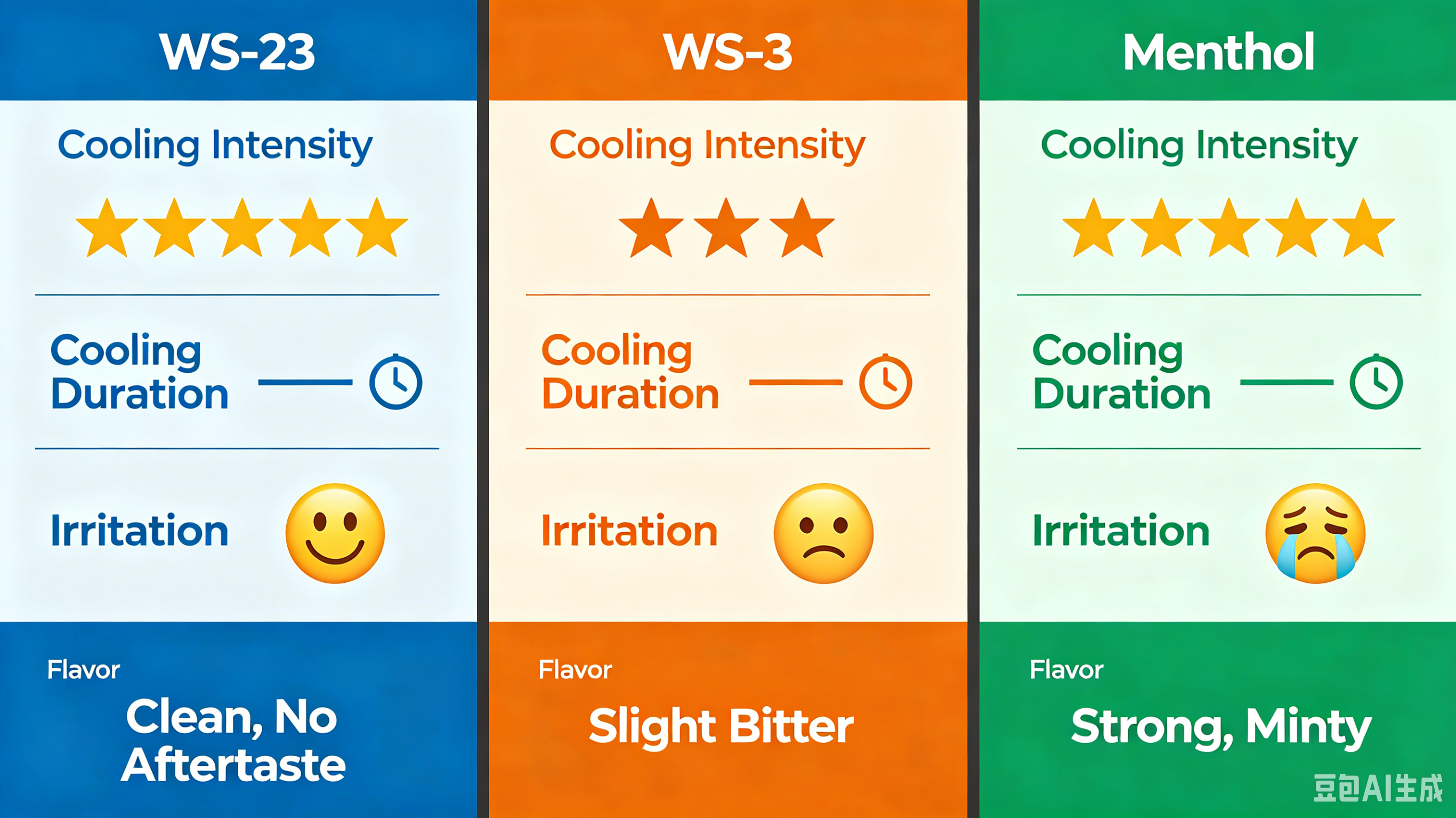
While menthol and WS-3 are still used, WS-23 is increasingly preferred due to its cleaner profile, better solubility in water-based systems, and reduced bitterness. Many leading brands have already switched to WS-23 for superior consumer experience.

WS-23 vs WS-3 vs Menthol: Which is Better?

WS-23 vs WS-3 vs Menthol: Which is Better?

Conclusion

As consumer demand for refreshing and innovative food experiences continues to grow, WS-23 Cooling Agent Powder stands out as the most effective and versatile cooling solution available in 2026. Its powerful performance, stability, and clean taste profile make it an essential ingredient for forward-thinking food manufacturers.


Ready to enhance your products with strong, clean cooling?

Contact Us for Free WS-23 Powder Samples View WS-23 Powder Specifications

Liquid Food Flavor Essences: The Complete Guide for Food Manufacturers in 2026

Liquid Food Flavor Essences: The Complete Guide for Food Manufacturers in 2026

Liquid Food Flavor Essences: The Complete Guide for Food Manufacturers in 2026

Liquid food flavor essences have become an essential ingredient for food and beverage manufacturers worldwide. These highly concentrated liquid flavors allow brands to create consistent, delicious, and cost-effective taste profiles across a wide range of products.

From baked goods and beverages to snacks, sauces, and ready-to-eat meals, liquid flavors offer unmatched versatility and performance in modern food production.

What Are Liquid Food Flavor Essences?

Liquid food flavor essences are concentrated aromatic solutions designed to deliver specific tastes and aromas. They are typically made using natural extracts, essential oils, and food-grade synthetic compounds. Unlike powder flavors, liquid versions disperse quickly and evenly in both water-based and oil-based systems, making them ideal for industrial-scale production.Liquid Food Flavor Essences: The Complete Guide for Food Manufacturers in 2026

Key Benefits of Liquid Food Flavors

  • High Concentration: A small amount delivers strong, long-lasting flavor (typical dosage 0.05%–0.5%)
  • Excellent Heat Stability: Most varieties withstand temperatures up to 180–220°C
  • Easy Application: Uniform distribution in liquids, batters, doughs, and emulsions
  • Long Shelf Life: Stable for 12–24 months when stored correctly
  • Cost Efficiency: Reduces reliance on expensive natural raw materials

Popular Applications

Liquid food flavors are widely used in:

  • Bakery & Confectionery: Cakes, cookies, biscuits, ice cream, and pastries
  • Beverages: Soft drinks, milk tea, functional drinks, and plant-based milk
  • Snacks: Instant noodles, puffed foods, chips, and extruded snacks
  • Savory Products: Sauces, meat products, soups, and marinades
  • Dairy & Alternatives: Yogurt, cheese flavors, and plant-based products

How to Choose the Right Liquid Flavor Essence

When selecting a liquid flavor, consider the following:

  • Solubility (water-soluble vs oil-soluble)
  • Heat stability requirements
  • Target market regulations
  • Desired flavor intensity and profile

Always request technical data sheets and samples before making bulk decisions.Liquid Food Flavor Essences: The Complete Guide for Food Manufacturers in 2026

Frequently Asked Questions

1. Are liquid food flavor essences natural? Many liquid flavors are classified as “natural identical” or made with natural extracts. Fully natural options are also available depending on your requirements.

2. What is the typical usage level for liquid flavors? Most applications use between 0.05% and 0.5%. The exact dosage depends on the specific flavor and final product.

3. Are these flavors heat stable? Yes. High-quality liquid food flavor essences maintain their aroma and taste even after high-temperature processing such as baking, frying, and pasteurization.

4. Can I order custom flavors? Absolutely. Many manufacturers offer custom flavor development services with flexible minimum order quantities.

5. What is the shelf life of liquid flavors? When stored in a cool, dark place, most liquid essences remain stable for 12 to 24 months.


Ready to enhance your products with premium liquid flavors?

Get Free Samples of Our Liquid Food Flavor Essences

Caryophyllene oxide crystalline powder

Caryophyllene oxide (C15H24O) Crystalline Powder Pharmacological Effects and Benefits

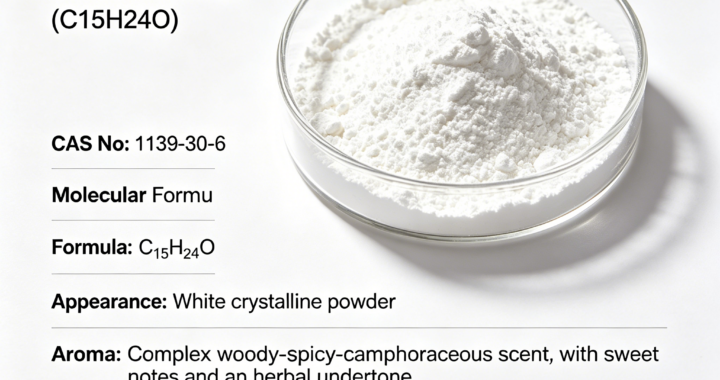
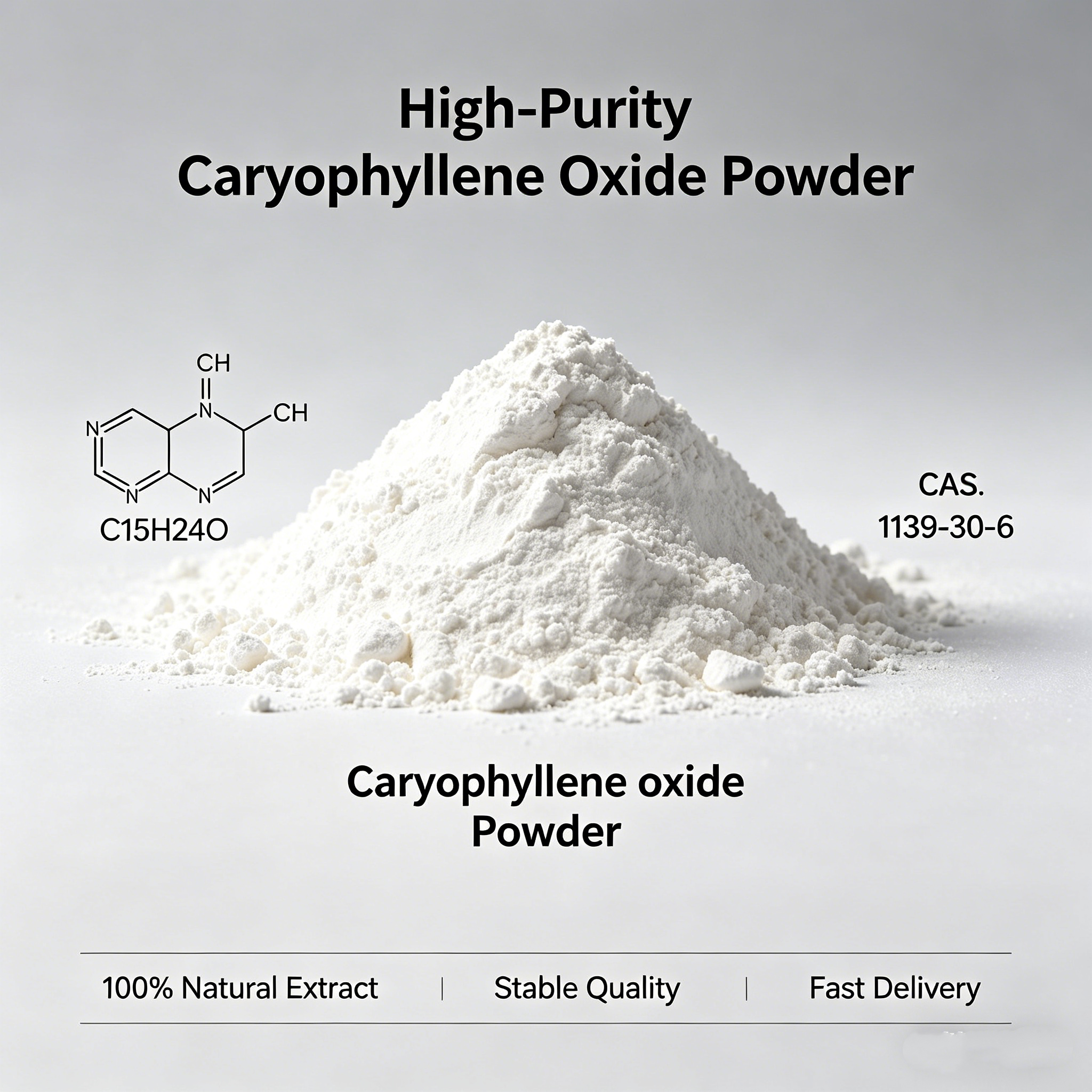
Caryophyllene oxide (C15H24O) is a white, crystalline sesquiterpene compound derived from the oxidation of B-caryophyllene, commonly found in cannabis, cloves, lemon balm, and basil. It is widely used in fragrances and flavors for its woody, spicy, and dry scent, and is known for its anticancer, antimicrobial, and anti-inflammatory properties.

Caryophyllene oxide (C15H24O)

Caryophyllene oxide (C15H24O)

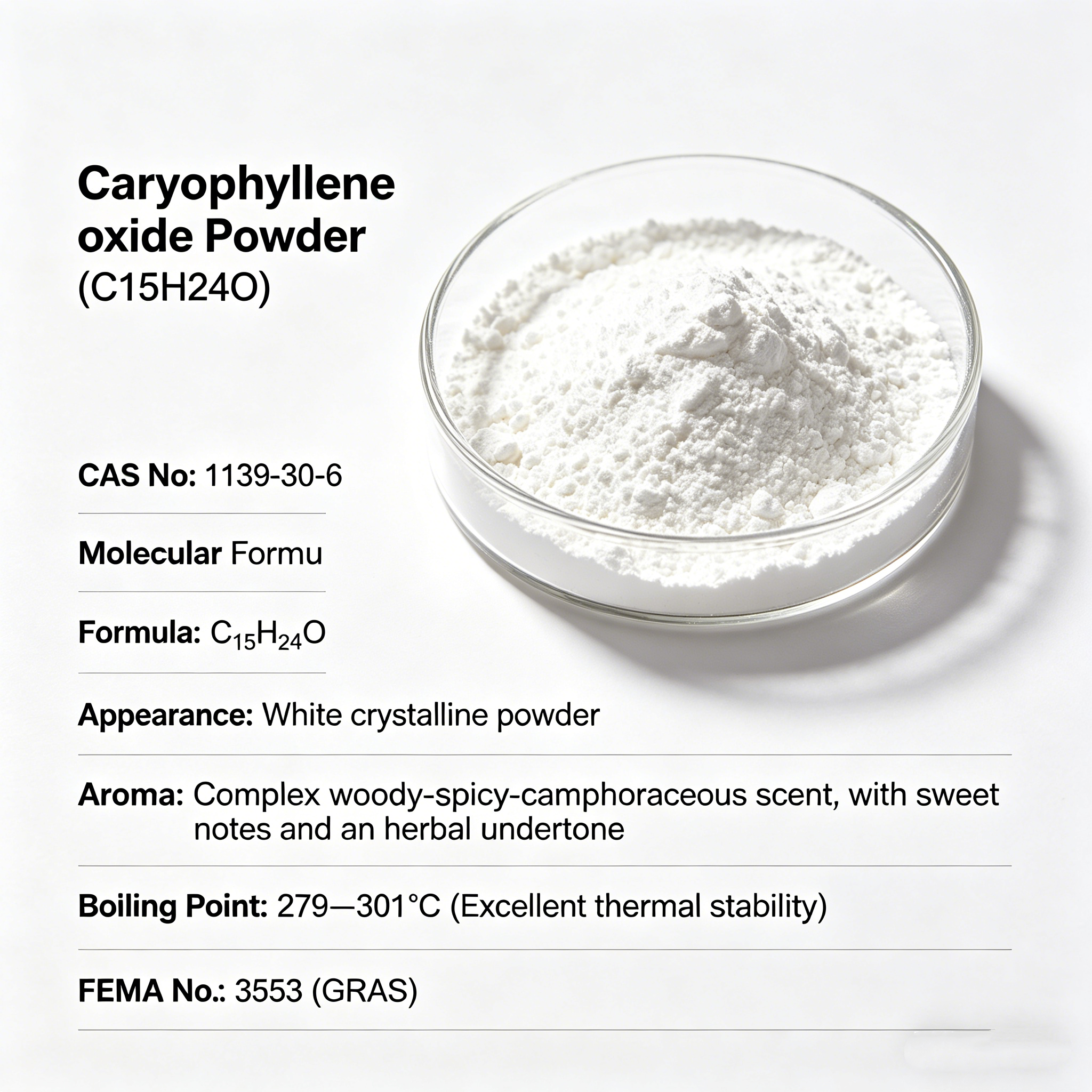
Caryophyllene oxide (C15H24O) Key Characteristics:

Aroma & Appearance: It presents as white crystals with a sweet, woody aroma and fresh spicy undertones.

Source: It is a major component in various essential oils, including eucalyptus and clove, and is produced when \(\beta \)-caryophyllene oxidizes during the curing of plant materials.

Caryophyllene oxide Key Characteristics

Caryophyllene oxide Key Characteristics

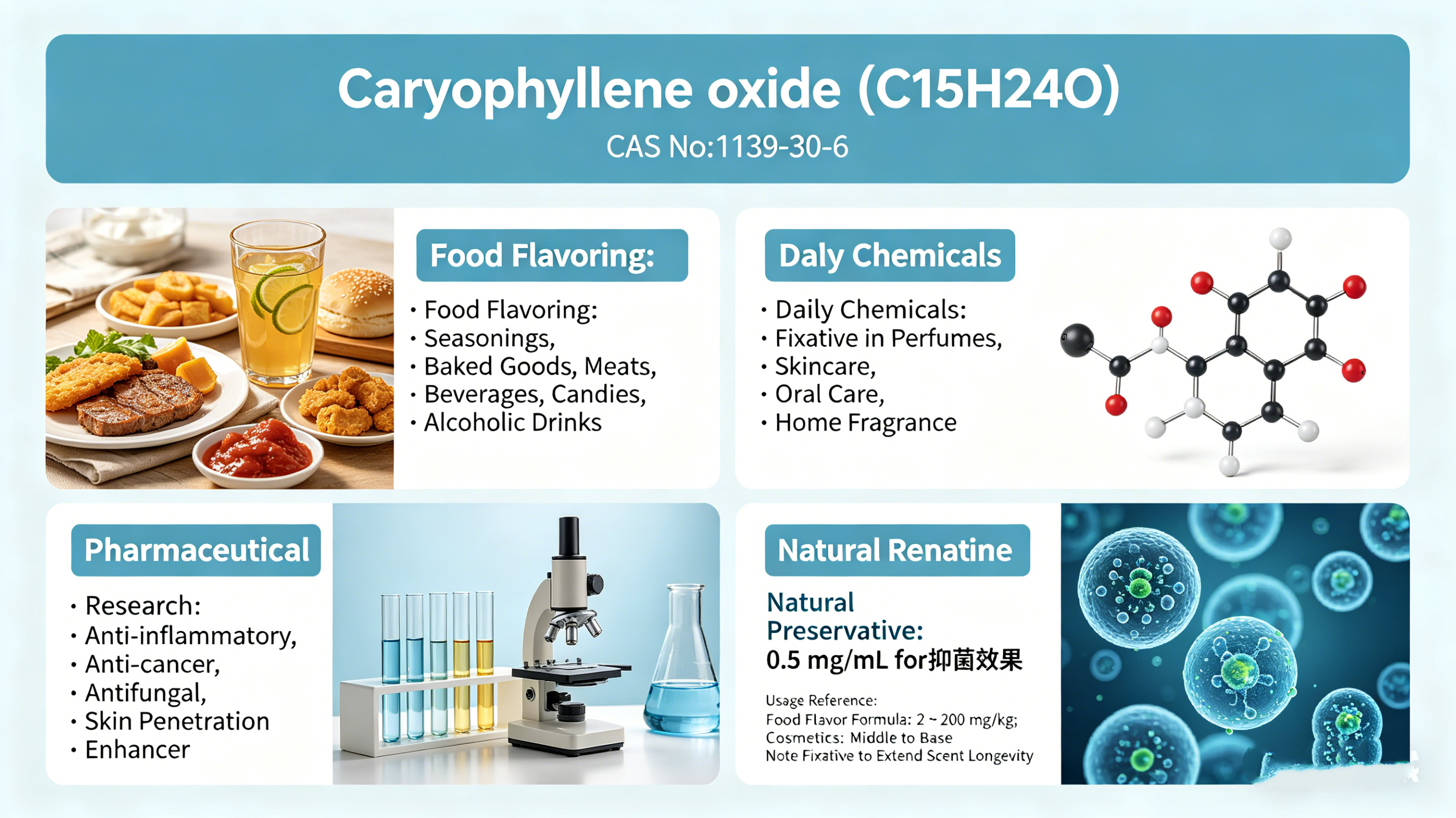
Caryophyllene oxide (C15H24O) Primary Applications:

Food Flavoring: Seasonings, baked goods, meat products, beverages, confectionery, alcoholic drinks
Daily Chemicals (Fixative): Perfumes, skincare products, oral care, home fragrances
Pharmaceutical Research: Anti-inflammatory, anti-cancer, anti-fungal, skin penetration enhancer
Natural Preservative: Bacteriostatic concentration required is merely 0.5 mg/mL

Usage Reference:

Food Flavor Formulation: 2 ~ 200 mg/kg
Cosmetics: Used as a middle-to-base note fixative to enhance fragrance longevity

Caryophyllene oxide (C15H24O) Crystalline Powder Pharmacological

Caryophyllene oxide (C15H24O) Primary Applications

Caryophyllene oxide (C15H24O) Primary Applications

Caryophyllene oxide (C15H24O) Crystalline Powder Pharmacological Effects and Benefits:

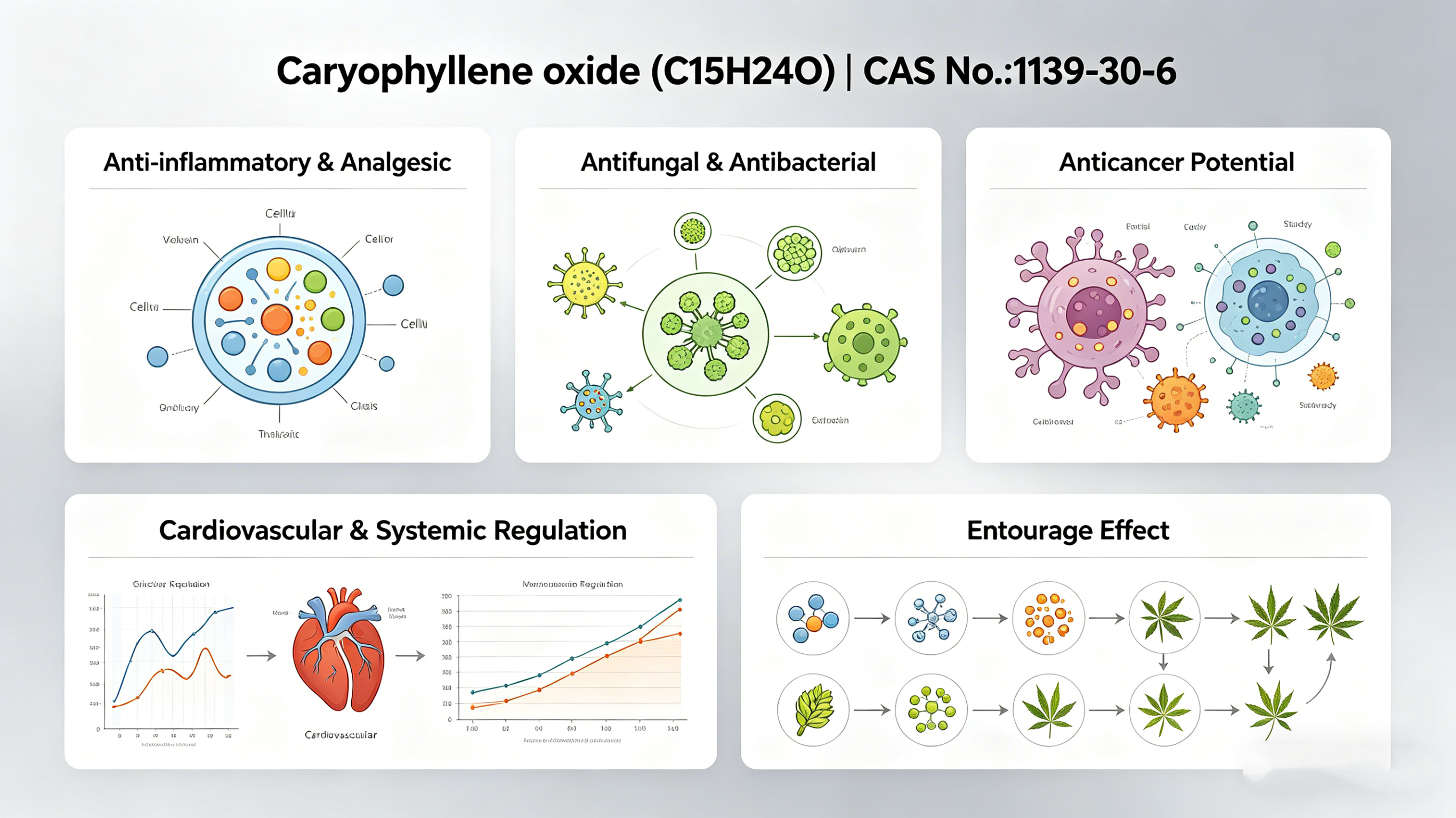
Anti-inflammatory and Analgesic: Exhibits significant anti-inflammatory activity, capable of reducing skin inflammatory responses (such as rosacea). Studies also indicate that it can enhance the analgesic effects of acetaminophen and possesses gastroprotective properties.

Antifungal and Antibacterial: Highly effective against certain microbial strains; frequently used in the treatment of nail fungus and other cutaneous fungal infections.

Anticancer Potential: Considered a potent anti-tumor agent, capable of inhibiting various cancer cell lines by modulating cellular growth and proliferation pathways (e.g., the STAT3 pathway).

Cardiovascular and Systemic Regulation: Exerts a relaxant effect on smooth muscle tissue and acts as a calcium channel blocker, thereby demonstrating potential for use as an adjunct therapy in the management of hypertension.

Synergistic Effects: Within botanical matrices (such as cannabis), the “Entourage Effect”—arising from its interaction with other constituent compounds—is believed to enhance the overall therapeutic efficacy.

Caryophyllene oxide (C15H24O) Crystalline Powder Pharmacological Effects and Benefits

Caryophyllene oxide (C15H24O) Crystalline Powder Pharmacological Effects and Benefits

Caryophyllene oxide (C15H24O) Key Advantages:

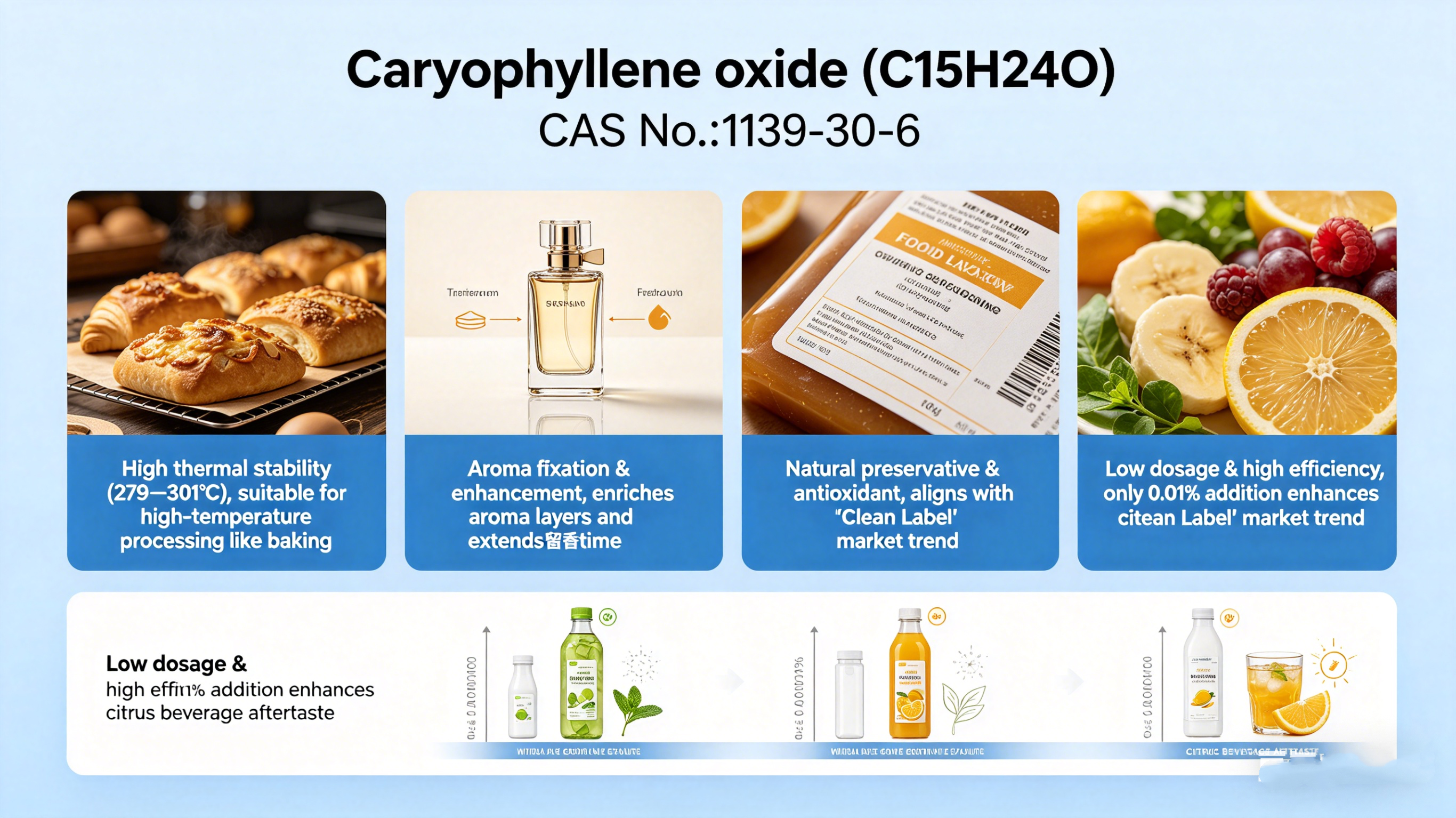
High Heat Stability (279–301°C) — Suitable for high-temperature processes such as baking
Aroma Fixation & Enhancement — Extends the complexity and longevity of the fragrance
Natural Preservative & Antioxidant — Aligns with “Clean Label” trends
High Efficacy at Low Dosage — As little as 0.01% can enhance the lingering aftertaste of citrus beverages

Caryophyllene oxide (C15H24O) Key Advantages

Caryophyllene oxide (C15H24O) Key Advantages

Caryophyllene oxide (C15H24O) Safety and Specifics:

Toxicity: It is generally considered non-toxic and non-sensitizing.

Interaction: Unlike B-caryophyllene, which directly binds to CB2 receptors, caryophyllene oxide acts differently, according to some studies.

Synthesis: It is produced through the oxidation of B-caryophyllene.

Storage:

Store in a sealed container, away from light, in a cool and dry place (recommended temperature: 6–8°C). As the product is prone to oxidation, it requires strict airtight sealing.

Organic Germanium

Organic Germanium Powder (Ge-132): Bis-carboxyethyl Germanium Sesquioxide

Organic Germanium Powder (Ge-132): Bis-carboxyethyl Germanium Sesquioxide

Organic Germanium Powder primarily refers to a white crystalline powder with Ge-132 (Bis-carboxyethyl Germanium Sesquioxide) as its main active ingredient. Its molecular formula is (GeCH₂CH₂COOH)₂O₃; it was first discovered and named by the Japanese chemist Dr. Kazuhiko Asai in 1967. It presents as a white crystalline powder with a slightly acidic taste.

Organic Germanium Ge-132

Organic Germanium Ge-132

Product Characteristics:

Chemical Name: Bis-carboxyethyl Germanium Sesquioxide
Molecular Formula: (GeCH₂CH₂COOH)₂O₃
Molecular Weight: 339.32
Appearance: White crystalline powder
Purity Specifications: ≥99%, ≥99.5%, ≥99.9%
Solubility: 20 g/L in water (at 60°C); highly soluble
Product Grade: Food Grade, Cosmetic Grade, Pharmaceutical Grade
Packaging: Polyethylene bottles; 500g/bottle or 1kg/bottle

Organic Germanium Powder (Ge-132): Bis-carboxyethyl Germanium Sesquioxide

Organic Germanium

Organic Germanium

Main Application Areas:

1. Health Supplements (Controversial Application)

Organic germanium powder has historically been used in the following health products:
Antioxidant and immune-modulating supplements
Products claiming “anti-cancer potential” (claims not endorsed by authoritative bodies)
Functional beverages and nutritional oral liquids

Note: These efficacy claims are primarily based on early-stage research; clinical trial evidence remains insufficient, and the claims are subject to significant controversy. The UK Department of Health and the Department of Drug Administration under my country’s Ministry of Health have previously implemented restrictive measures regarding germanium-based products.Organic Germanium Powder (Ge-132): Bis-carboxyethyl Germanium Sesquioxide

Organic Germanium Ge-132 Health Supplements

Organic Germanium Ge-132 Health Supplements

2. Cosmetics Sector (Emerging Application as of 2025)

Organic Germanium 99% (Ge-132) is gaining attention within the cosmetics industry as an emerging food-grade raw material:
Whitening and Spot Reduction: Claims to block UV radiation and prevent pigmentation caused by photoaging.
Skin Barrier Enhancement: Promotes cellular metabolism and boosts the skin’s immune function.
Skin Soothing: Claims to provide a soothing effect for users with sensitive skin.
Suitable Skin Types: Generally marketed as suitable for various skin types; however, individuals with sensitive skin are advised to perform a patch test prior to use.Organic Germanium Powder (Ge-132): Bis-carboxyethyl Germanium Sesquioxide

Organic Germanium Ge-132 Cosmetics Sector

Organic Germanium Ge-132 Cosmetics Sector

3. Food Industry

Used as a raw material for food additives in certain formulations
Used in the manufacture of specific flavored beverages and nutritional foods
Products meeting food-grade standards are suitable for use in food manufacturing

Organic Germanium Powder (Ge-132): Bis-carboxyethyl Germanium Sesquioxide

Organic Germanium Ge-132 Food

Organic Germanium Ge-132 Food

Recommended Dosage:

Health Supplements: 100–300 mg/day Based on early Japanese studies; not officially endorsed
Cosmetics: 0.1%–2% (in formulation) Adjust according to product type
Food Additives: As needed for production Must comply with local regulatory requirements

Organic Germanium Powder (Ge-132): Bis-carboxyethyl Germanium Sesquioxide

Organic Germanium Powder (Ge-132)

Organic Germanium Powder (Ge-132)

Menthyl Lactate

Menthyl Lactate (ML) is a menthol derivative—a long-lasting cooling agent

Menthyl Lactate (ML) is a menthol derivative—a long-lasting cooling agent produced through the esterification reaction of natural (or synthetic) menthol and lactic acid. At room temperature, it appears as a white crystalline powder or a colorless liquid, possessing a very faint minty aroma. It is recognized as an excellent cooling agent that is free from adverse reactions such as burning sensations, irritation, or stinging.

Naturally occurring Menthyl Lactate was discovered in Indian dementholized corn mint oil in 2006; consequently, it may be labeled as a natural or nature-identical product.

Menthyl Lactate

Menthyl Lactate

Product Characteristics:
Chemical Name: 2-Hydroxypropanoic acid 5-methyl-2-isopropylcyclohexyl ester / L-Menthyl Lactate
CAS No.: 59259-38-0 or 61597-98-6
FEMA No.: 3748
Molecular Formula: C₁₃H₂₄O₃
Molecular Weight: 228.33
Appearance: White needle-like crystals or powder
Melting Point: 40–47°C
Purity: ≥98% or ≥99%
Aroma: Faint chamomile or tobacco-like aroma, with a very mild minty cooling sensation

Menthyl Lactate (ML) is a menthol derivative—a long-lasting cooling agent

Menthyl Lactate

Menthyl Lactate

Core Advantages (Compared to Traditional Menthol):
Non-irritating to Skin: Non-irritating to mucous membranes; suitable for products designed for sensitive skin.
Does Not Mask Fragrance: Possesses only a faint odor, allowing for flexible pairing with various fragrances to create cooling products free of a minty taste/scent.
Long-lasting Cooling Effect: Provides a long-lasting, gentle cooling sensation, in contrast to the intense, short-lived stimulation typical of menthol.
Ease of Use: Crystalline form disperses easily, simplifying the production process.
Good Compatibility: Does not adversely affect other product properties, facilitating ease of formulation design.

Menthyl Lactate (ML) is a menthol derivative—a long-lasting cooling agent

Key Application Areas:

1. Food & Beverages:
Functional candies, chewing gum, non-alcoholic beverages, cold drinks, alcoholic beverages, instant coffee and tea, fruit ice products, gelatin puddings, breakfast cereals, dairy products.

2. Oral Care:
Toothpaste, mouthwash, oral fresheners.

3. Cosmetics & Skincare:
Skincare products for sensitive skin, scalp care products, after-sun repair products, aftershave care.

4. Pharmaceutical Products:
Anti-itch creams, cooling balms, topical analgesic and anti-inflammatory products.

Menthyl Lactate

Menthyl Lactate

Recommended Usage Levels (Food Grade):

Food Category: Recommended Dosage (mg/kg)
Non-alcoholic beverages, cold drinks: 30 ~ 120
Alcoholic beverages: 100 ~ 400
Seasonings, instant coffee and tea: 100 ~ 400
Fruit ice products: 100 ~ 400
Chewing Gum: 1000 ~ 2000
Hard Candy: 1000 ~ 2000
Frosting, Soft Candy: 500 ~ 2000
Breakfast Cereals: 15 ~ 60
Cheese, Dairy Substitutes: 15 ~ 60
Sauces, Snack Foods, Soup Bases: 25 ~ 100
Gelatin, Pudding, Dairy Products: 200 ~ 800
Baked Goods: 60 ~ 250
Recommended Usage for Cosmetics/Skincare: 0.1% ~ 2.0% (Generally recommended: 0.5% ~ 1%)

Menthyl Lactate (ML) is a menthol derivative—a long-lasting cooling agent

Menthyl Lactate

Menthyl Lactate

Organic Germanium Powder

New Organic Germanium Powder from Xi’an TaiMa – Clean Label Immune Support for Global Supplement Brands

New Organic Germanium Powder from Xi’an TaiMa – Clean Label Immune Support for Global Supplement Brands

XI’AN, China – April 10, 2026 – Xi’an TaiMa Biological Engineering Co., Ltd., a leading manufacturer and supplier of high-quality food additives, sweeteners, cooling agents, and liquid/powder flavors with over 800 product options, today announced the launch of its latest product: Organic Germanium Powder (Bis-Carboxyethyl Germanium Sesquioxide) .

This new addition to the company’s functional ingredients portfolio is specifically designed for the dietary supplement, health food, and functional beverage industries. With a purity level of 99.9%+ and strict adherence to international quality standards, TaiMa’s Organic Germanium Powder offers a natural solution for immune modulation, cellular oxygenation, and antioxidant support.New Organic Germanium Powder from Xi’an TaiMa – Clean Label Immune Support for Global Supplement Brands

Organic Germanium Powder

Organic Germanium Powder

Key Product Highlights:

  • High Purity: ≥99.9% Organic Germanium (Ge-132)

  • Fine Powder Form: Excellent solubility and bioavailability

  • Stable & Safe: Heavy metals controlled below EU/US standards

  • Certified: ISO, HACCP, Halal (available upon request)

  • Flexible Packaging: 1kg, 5kg, 25kg drums or custom

Potential Applications:

  • Dietary supplements (capsules, tablets, sachets)

  • Functional beverages & wellness shots

  • Anti-aging and immune-boosting formulas

  • Sports nutrition products

Organic Germanium Powder

Organic Germanium Powder

Why Choose Xi’an TaiMa Bio?

With over a decade of experience in the food and health ingredient sector, TaiMa has built a reputation for reliable quality, competitive pricing, and responsive customer service. The company operates a modern GMP-compliant facility and works directly with research institutions to ensure product innovation.

“Organic Germanium is gaining global attention for its potential health benefits, especially in immune support and cellular health,” said [Your Name] , Sales Manager at Xi’an TaiMa Bio. “We are proud to offer a premium-grade Germanium powder that meets the rigorous demands of supplement manufacturers worldwide. Whether for small-batch R&D or bulk production, we provide full traceability and technical support.”

Availability

Organic Germanium Powder is available now for worldwide shipping. Free samples are offered for qualified buyers. Customized packaging and private labeling services are also available upon request.New Organic Germanium Powder from Xi’an TaiMa – Clean Label Immune Support for Global Supplement Brands

What is food additive?

Food additives are natural or synthetic substances added to food during production, processing, packaging, or storage to enhance safety, taste, appearance, or texture. They serve key roles like preserving freshness, coloring, and thickening, and are essential for maintaining quality throughout the supply chain, such as with preservatives like nitrates or nitrites on EFSA.

Common Purposes and Examples:

Preservatives: Prevent spoilage from mold, bacteria, and yeast (e.g., sodium benzoate, sulfites).
Sweeteners: Add sweetness without high calories (e.g., aspartame, sorbitol).
Colorants: Restore color lost during processing or enhance visual appeal (e.g., tartrazine, caramel color).
Flavor Enhancers: Improve flavor without contributing their own distinct taste (e.g., MSG).
Emulsifiers, Stabilizers, & Thickeners: Maintain consistent texture and prevent separation (e.g., lecithin, xanthan gum).
Nutritional Enhancers: Replace vitamins lost in processing or improve nutritional value (e.g., added iodine or vitamins).

Types of Additives:

Direct Additives: Substances intentionally added to food for a specific purpose, such as adding aspartame to yogurt.
Indirect Additives: Substances that become part of the food in trace amounts during processing or packaging, such as materials migrating from plastic packaging.

Common Misconceptions:

Processed foods do not always contain additives; many foods like frozen products can remain fresh without them.
Many natural products, such as apples, contain substances used as additives, such as citric acid.

What is food additive?

ws-23 powder

What Is Cooling agent WS-23?N,2,3-trimethyl-2-isopropylbutanamide

What Is Cooling agent WS-23?N,2,3-trimethyl-2-isopropylbutanamide

Cooling agent WS-23 (N,2,3-trimethyl-2-isopropylbutanamide, CAS 51115-67-4) is a synthetic carboxamide-based high-efficiency cooling agent. Its structure is unrelated to menthol, yet it produces an “intense, long-lasting, and pure” cooling sensation in the mouth and throat, without burning, numbness, or bitter aftertaste.What Is Cooling agent WS-23?N,2,3-trimethyl-2-isopropylbutanamide

ws-23 powder

ws-23 powder

1. Physical and Chemical Properties:
Appearance: White crystalline powder, melting point 60-64 ℃, flash point 131.6 ℃
Purity: ≥99% (GC)
Solubility: Water <0.1%, easily soluble in ethanol, propylene glycol, oils and most flavor carriers
Thermal stability: Almost no decomposition after baking at 200 ℃, suitable for high-temperature processes such as baking and puffing.
Cooling sensation intensity: Approximately 1.5 times that of menthol, lasting 10-30 min; threshold is only 200 ppb (oral strip method)What Is Cooling agent WS-23?N,2,3-trimethyl-2-isopropylbutanamide

2. Recommended Dosage:
Hard candy, compressed tablets: 50-150 ppm, added later with flavorings, avoid high temperature and prolonged heating;
Chewing gum: 750-3000 ppm, mixed with gum base and flavorings, provides the longest-lasting cooling sensation;
Jelly/Gummy candy: 30-80-200 ppm, dissolved in the aqueous phase and added while hot (<80 ℃);
Carbonated beverages/functional water: 10-30-50 ppm, first dissolved in 5-10 times the amount of ethanol or propylene glycol, then added to the syrup;
Ice cream/yogurt: 20-50-100 ppm, added at ≤40 ℃ during the later stages of ingredient mixing to prevent volatilization;
Baking (biscuits, wafers): 30-80-200 ppm, use microencapsulated type or increase the dosage by 10-20%;
Solid beverages/effervescent tablets: 50-150-300 ppm, dry mixed with citric acid and sodium bicarbonate;
Tobacco/e-cigarette liquid: 100-500-1000 ppm, dissolved in PG/VG (70-80 ℃) and then mixed;
Oral care (toothpaste, mouthwash): 300-800-1500 ppm It is pre-dissolved with sorbitol and glycerin before being incorporated into the aqueous phase;What Is Cooling agent WS-23?N,2,3-trimethyl-2-isopropylbutanamide

cooling agent ws-23 used

cooling agent ws-23 used

3. Key points for use:
Pre-dissolution: First, melt it with 5-10 times the amount of ethanol, propylene glycol, or oil at 55°C, then add it to the system to avoid localized supercooling and crystallization.
Synergy: When compounded with menthol, menthone, lemon flavor, etc., it can reduce the amount of menthol used by 30-50%, while achieving a dual cooling sensation of “impact + long-lasting”.
Temperature: Aqueous system ≤75℃; for prolonged high temperatures (>15min), use the microencapsulated type or increase the dosage by 10-20%.
Storage: Store in a sealed container, at ≤25℃, and in a dry place away from light; prolonged exposure can easily lead to sublimation and clumping.

Due to its “odorless, non-bitter, high cooling sensation, and high-temperature resistance” characteristics, WS-23 has been widely used in the development of new products such as sugar-free chewing gum, functional water, baked goods, and e-cigarettes, making it an ideal cooling ingredient to replace or supplement menthol.

What Is Cooling agent WS-23?N,2,3-trimethyl-2-isopropylbutanamide

cooling agent ws-23 package

cooling agent ws-23 package

Food Additive cooling agent/ coolanat/ koolada/ koolant WS-23

Food Additive cooling agent/ coolanat/ koolada/ koolant WS-23

Food Additive cooling agent/ coolanat/ koolada/ koolant WS-23

Food Additive cooling agent/ coolanat/ koolada/ koolant WS-23 is a synthetic, flavorless cooling agent (2-isopropyl-N,2,3-trimethylbutyramide) that provides a strong, smooth, icy sensation without the minty burn of menthol, making it popular in foods, drinks, cosmetics, and especially e-liquids for an “ice” or “cool” effect. It activates cold receptors (TRPM8), offers long-lasting freshness, and is heat-resistant, allowing use in baked goods and hot products.Food Additive cooling agent/ coolanat/ koolada/ koolant WS-23

Food Additive cooling agent/ coolanat/ koolada/ koolant WS-23

Food Additive cooling agent/ coolanat/ koolada/ koolant WS-23

Key Characteristics:

Flavor Profile: Little to no odor or taste, but provides a significant cooling feeling.
Sensation: Intense, smooth, and long-lasting coolness, unlike menthol’s sharp or burning sensation.
Appearance: White crystalline powder.
Heat Stability: Withstands temperatures up to 200°C (392°F), making it suitable for baking.
Solubility: Soluble in alcohol and organic solvents, but only slightly in water.

Common Applications:

Food & Beverage: Adds coolness to drinks (smoothies, cocktails), desserts (ice cream, sorbets), and baked goods.
Cosmetics: Used in lip balms, aftershaves, shower gels for a refreshing feel.
E-Cigarettes/Vaping: Widely used to create “ice” flavors and reduce harshness.
Other: Aromatherapy, perfumes, and other personal care items.

Food Additive cooling agent/ coolanat/ koolada/ koolant WS-23

Food Additive cooling agent/ coolanat/ koolada/ koolant WS-23

How it Works:

WS-23 activates the TRPM8 receptor, which is responsible for sensing cold temperatures, creating the sensation of coolness without actually lowering the product’s temperature.

E-cigarette mint-flavored e-liquids

E-cigarette mint-flavored e-liquids simulate a cooling sensation and prolong the aroma by blending natural ingredients such as menthol, peppermint oil, and spearmint oil, combined with synthetic cooling agents (such as WS-23) and fixatives and enhancers. They offer a variety of mint experiences, from refreshing to icy, and are a common flavor in e-liquids. However, their quality and health effects depend on the specific formula and the safety of the ingredients.

Composition and Function of Mint Flavoring:

Core Ingredients: Menthol, peppermint oil, spearmint oil.
Cooling Agents: In addition to menthol, synthetic cooling agents such as WS-23 are often added to provide a stronger, purer cooling sensation and compensate for the rapid evaporation of menthol.
Enhancers & Blenders: Improve the overall aroma, making it more rounded and full-bodied, and harmonize the mint flavor with the tobacco (or fruit) base aroma, providing a more consistent experience.
Fixatives: Reduce the overall volatility of the flavoring, extending the duration of the mint aroma.
Solvents & Base: Usually propylene glycol (PG) and vegetable glycerin (VG), mixed with the flavoring to form the main body of the e-liquid.

Different Types and Characteristics:

Natural Mint Type: Focuses on the refreshing aroma of natural peppermint oil; the taste may be relatively mild.
Strong Icy Type: Uses a large amount of cooling agents (such as WS-23), resulting in a strong, stimulating icy sensation.
Compound Type: Such as mint-tobacco compound e-liquid, which combines tobacco extract with mint flavoring to mimic the aroma and taste of traditional menthol cigarettes.

Industry Trends:

Flavor Diversification: Mint flavor is fundamental, and mixing it with other fruit/dessert flavors (such as mint slush, mint cola) is mainstream. Technological upgrade: Utilizing more advanced cooling agents to provide a wider variety of sensory experiences