Liquid Food Flavor Essences: The Complete Guide for Food Manufacturers in 2026
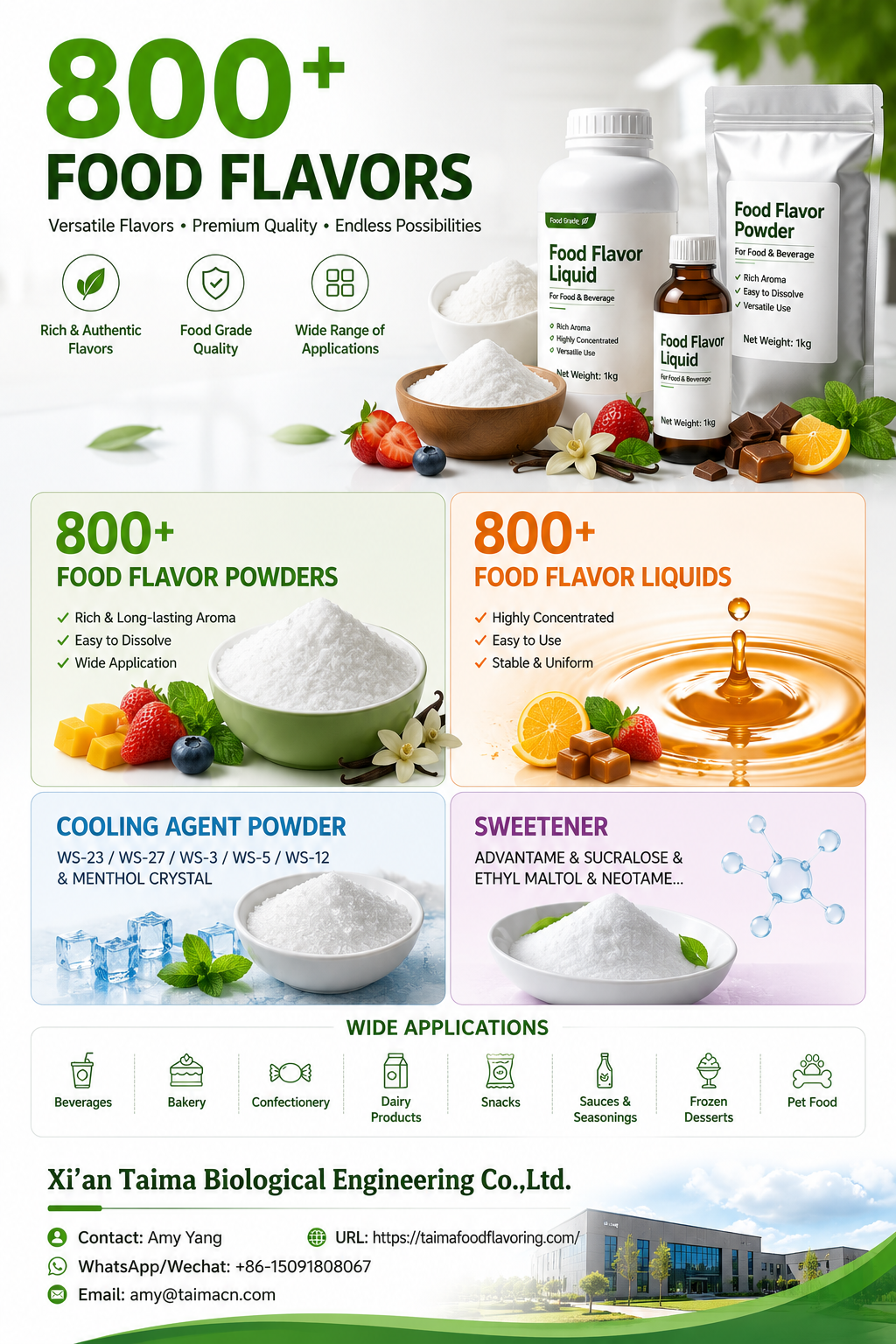
Liquid food flavor essences have become an essential ingredient for food and beverage manufacturers worldwide. These highly concentrated liquid flavors allow brands to create consistent, delicious, and cost-effective taste profiles across a wide range of products.
From baked goods and beverages to snacks, sauces, and ready-to-eat meals, liquid flavors offer unmatched versatility and performance in modern food production.
What Are Liquid Food Flavor Essences?
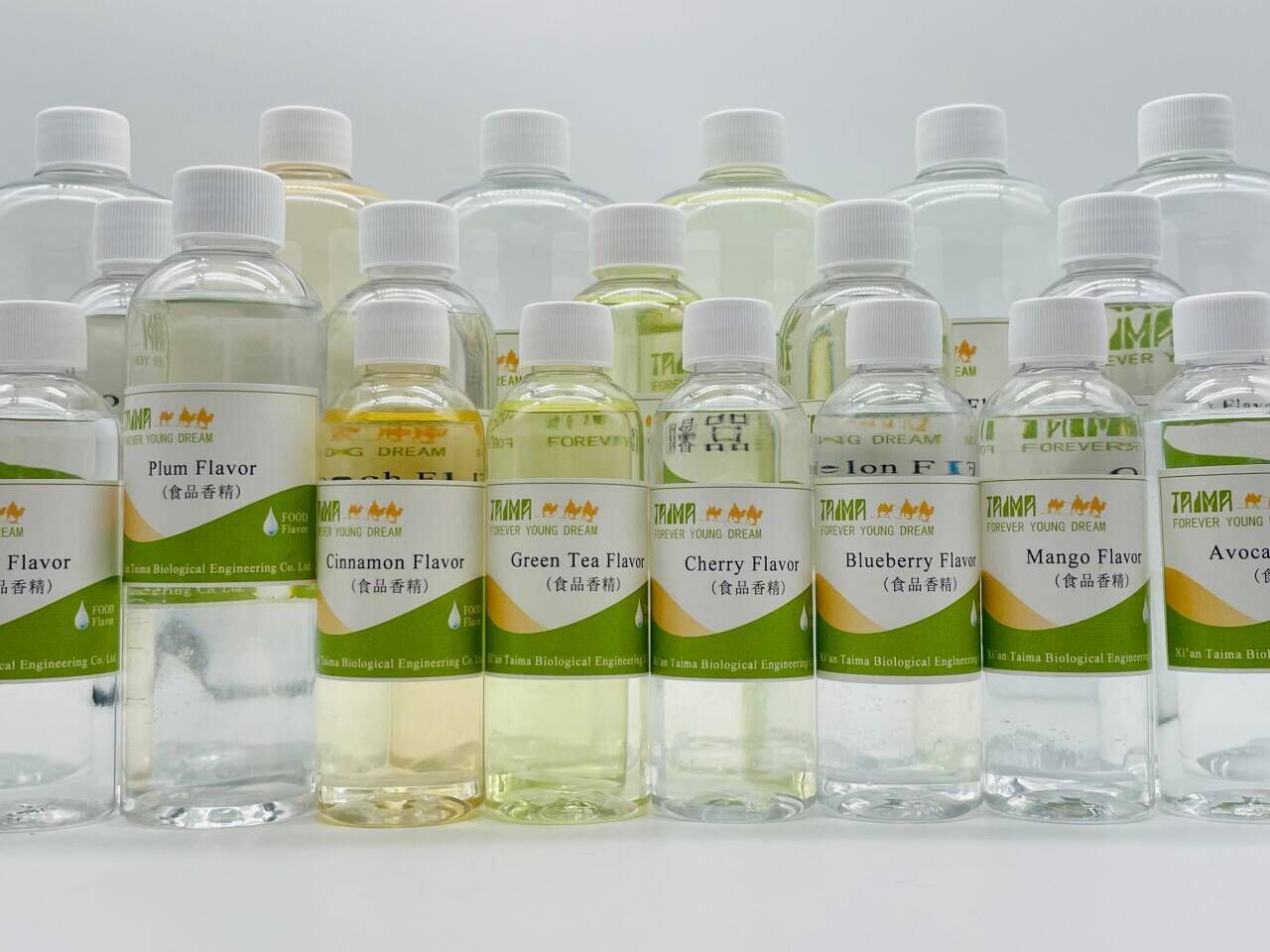
Liquid food flavor essences are concentrated aromatic solutions designed to deliver specific tastes and aromas. They are typically made using natural extracts, essential oils, and food-grade synthetic compounds. Unlike powder flavors, liquid versions disperse quickly and evenly in both water-based and oil-based systems, making them ideal for industrial-scale production.Liquid Food Flavor Essences: The Complete Guide for Food Manufacturers in 2026
Key Benefits of Liquid Food Flavors
- High Concentration: A small amount delivers strong, long-lasting flavor (typical dosage 0.05%–0.5%)
- Excellent Heat Stability: Most varieties withstand temperatures up to 180–220°C
- Easy Application: Uniform distribution in liquids, batters, doughs, and emulsions
- Long Shelf Life: Stable for 12–24 months when stored correctly
- Cost Efficiency: Reduces reliance on expensive natural raw materials
Popular Applications
Liquid food flavors are widely used in:
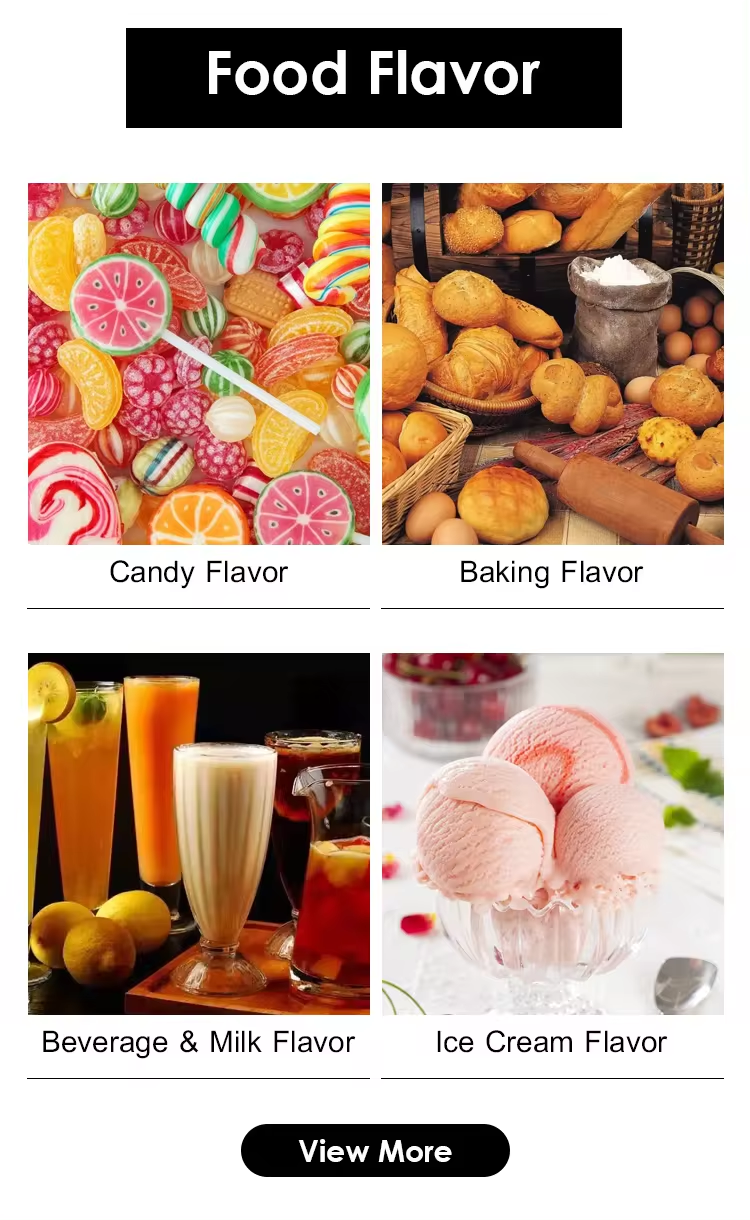
- Bakery & Confectionery: Cakes, cookies, biscuits, ice cream, and pastries
- Beverages: Soft drinks, milk tea, functional drinks, and plant-based milk
- Snacks: Instant noodles, puffed foods, chips, and extruded snacks
- Savory Products: Sauces, meat products, soups, and marinades
- Dairy & Alternatives: Yogurt, cheese flavors, and plant-based products
How to Choose the Right Liquid Flavor Essence
When selecting a liquid flavor, consider the following:
- Solubility (water-soluble vs oil-soluble)
- Heat stability requirements
- Target market regulations
- Desired flavor intensity and profile
Always request technical data sheets and samples before making bulk decisions.Liquid Food Flavor Essences: The Complete Guide for Food Manufacturers in 2026
Frequently Asked Questions
1. Are liquid food flavor essences natural? Many liquid flavors are classified as “natural identical” or made with natural extracts. Fully natural options are also available depending on your requirements.
2. What is the typical usage level for liquid flavors? Most applications use between 0.05% and 0.5%. The exact dosage depends on the specific flavor and final product.
3. Are these flavors heat stable? Yes. High-quality liquid food flavor essences maintain their aroma and taste even after high-temperature processing such as baking, frying, and pasteurization.
4. Can I order custom flavors? Absolutely. Many manufacturers offer custom flavor development services with flexible minimum order quantities.
5. What is the shelf life of liquid flavors? When stored in a cool, dark place, most liquid essences remain stable for 12 to 24 months.
Ready to enhance your products with premium liquid flavors?
Get Free Samples of Our Liquid Food Flavor Essences